4th-Year PhD Candidate in Computer Science & Cybersecurity
"Pioneering resilient, lightweight, and privacy-preserving trust management systems for the Social Internet of Things (SIoT) and connected vehicular networks through localized structural diversity gating, continuous-time relational deep learning, and zero-knowledge proofs."
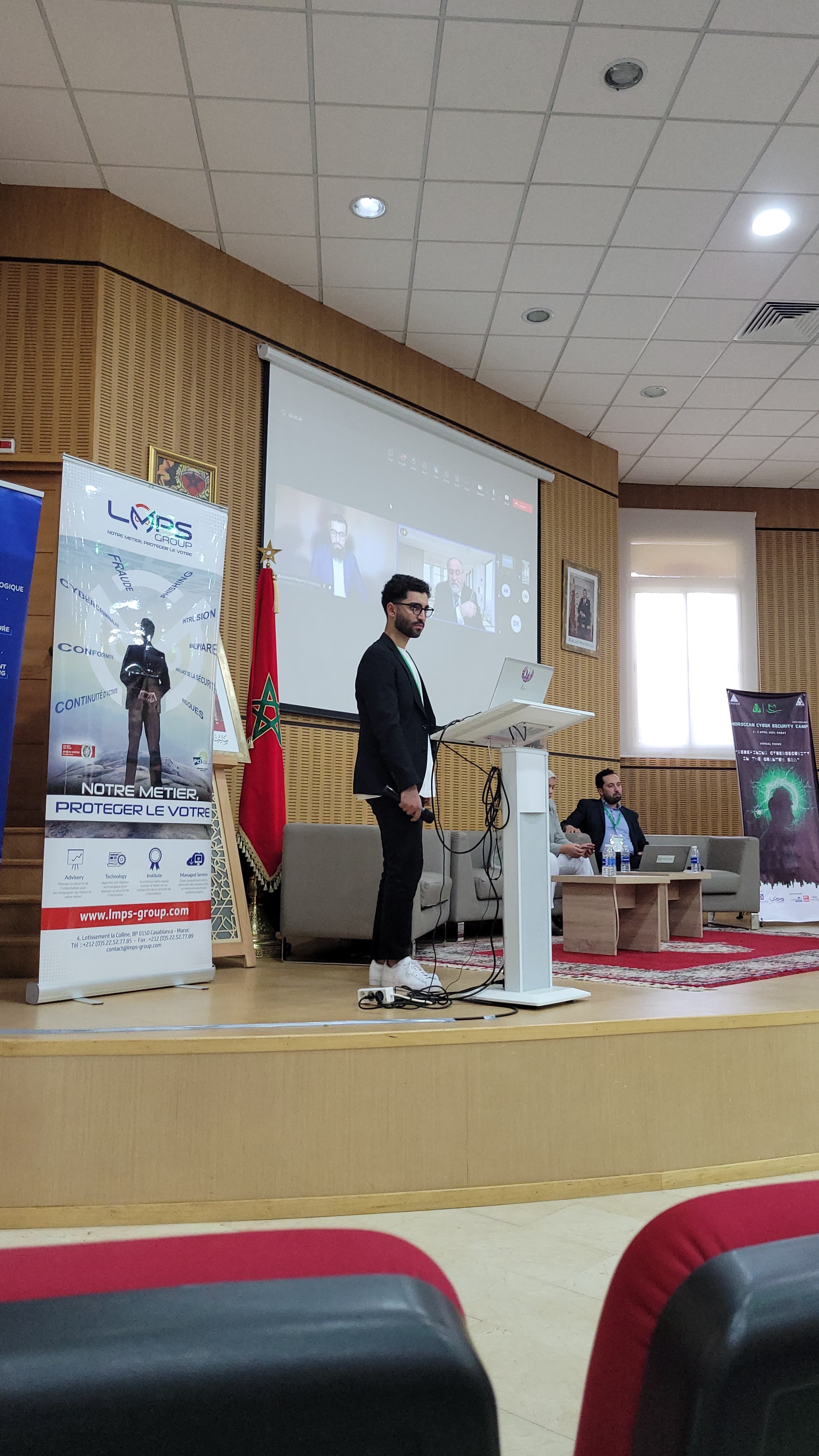
Doctoral Researcher • Smart Systems Lab (SSL)
ENSIAS Rabat • UM51 MDPI Journal + 4 IEEE/Springer/ICDS Conferences
Cycle-accurate Contiki-NG/Cooja 51-node Testbed
Exceeds ENSIAS CEDoc Scientific Publication Criteria
Security & Sovereignty Track Winner (Merzouga)
Smart Systems Laboratory (SSL) • ENSIAS
Operating at the intersection of Cybersecurity, Distributed Trust Management, and Social Graph Analytics.
Mohcine Baalla is a doctoral researcher in Computer Science at the Smart Systems Laboratory (SSL), National School of Computer Science and Systems Analysis (ENSIAS), Mohammed V University in Rabat, Morocco, under the supervision of Prof. Driss Bouzidi.
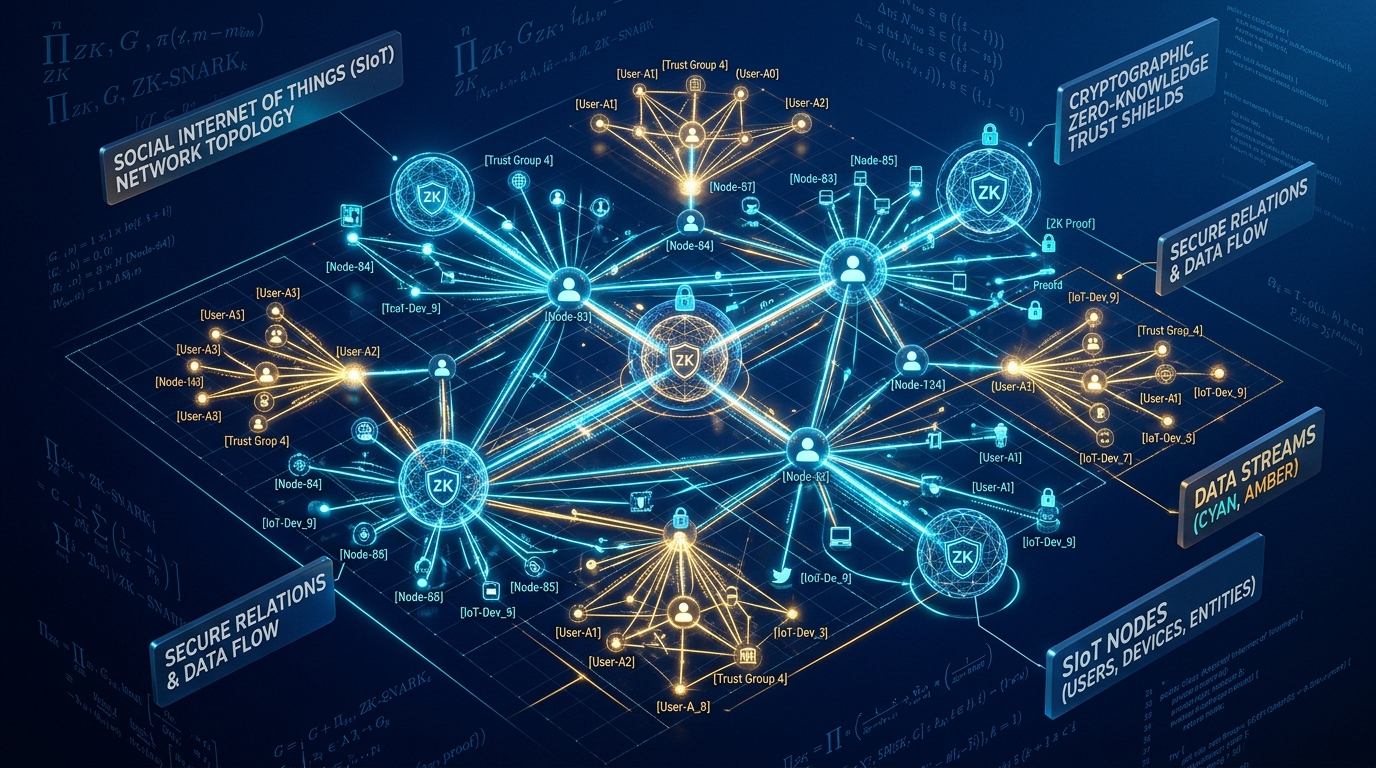
His doctoral investigation operates at the crossroads of Cybersecurity, Distributed Trust Management, and Social Graph Analytics. Mohcine's research formalizes novel relationship-layer adversarial threats in the Social Internet of Things (SIoT)—notably introducing the Fake Relationship Attack (FRA)—and engineers edge-native mitigation frameworks, continuous-time relational attention models, and privacy-preserving zero-knowledge verification protocols tailored for resource-constrained edge ecosystems and vehicular ad-hoc networks.
His doctoral investigations are conducted at the Doctoral Studies Center in Sciences and Technologies of Information (CEDoc ST2I), focusing on resilient distributed architectures, adversarial defense mechanisms, and trust modeling for next-generation edge and vehicular networks.
Under the supervision of Prof. Driss Bouzidi at ENSIAS, my doctoral work addresses fundamental security vulnerabilities in decentralized Trust Management Systems across the Social Internet of Things (SIoT) and Vehicular Social Networks (SIoV).
Moving beyond conventional device-centric security, my research centers on developing algorithmic defenses against structural recommendation collusion (Fake Relationship Attacks), dynamic behavioral switching (Trust Manipulation Attacks), and malicious temporal mimicry.
The methodology bridges empirical IoT sensor simulations (Contiki-NG/Cooja), realistic vehicular mobility modeling (OMNeT++/Veins/SUMO), Dynamic Graph Neural Networks (PyG), and Zero-Knowledge Cryptography (zk-SNARKs) for verifiable, privacy-preserving trust.
In multi-hop recommendation networks, colluding adversaries craft synthetic social ties to artificially inflate trust ratings. Our Semantic-Gated Structural Diversity Penalty (SDP) operates with edge-native O(k²) complexity to detect echo chambers and isolate hostile Defectors with 98.6% F1 accuracy without requiring global graph traversal.
Key scientific breakthroughs, conference presentations, and journal releases.